

Product · LV panels
LV Electrical Control Panels — Designed and Manufactured in Surat
Low-voltage control panels are where power, protection and control meet. A well-built panel runs cool, is easy to maintain and isolates faults safely; a poorly built one becomes a recurring source of trips and downtime.
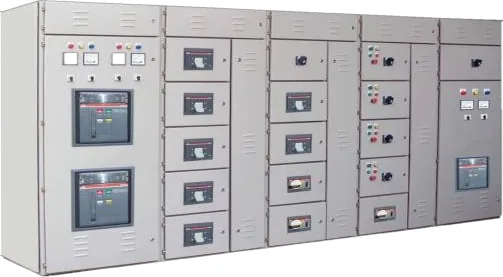
Overview
Sparsh Automation designs and manufactures custom LV panels for power distribution and motor control. Every panel starts from your load list and operating needs, and is engineered by the same team that handles automation, programming and commissioning.
In our brochure“Custom-designed, precision-engineered panels for power distribution & motor control.”
Need the engineering only — schematics, drawings and feasibility — without manufacturing? Go to System design & engineering
Capabilities
What our solution covers
Power distribution panels
Incomers, outgoing feeders, protection and metering for distribution within the plant.
Motor control panels
DOL, star-delta and soft-starter feeders with protection, control and indication.
PLC and automation panels
Panels housing controllers, I/O, power supplies and network components, with segregated control wiring.
VFD panels
Drive panels with appropriate protection, ventilation and, where required, harmonic and EMC considerations.
Integration-ready design
Provision for communication with SCADA, energy meters and remote monitoring where the application needs it.
Typical deliverables
- Single-line diagram and control schematics
- General arrangement (GA) and component layout drawings
- Bill of materials with selected makes
- Manufactured, wired and labelled panel
- Routine testing before dispatch and test documentation
Final scope and deliverables are agreed in the quotation for each requirement.
Typical applications
- Plant power distribution
- Motor control centres for pumps, fans, conveyors and process equipment
- Machine control panels for OEMs
- Utility and water-treatment pumping systems
- Automation panels for PLC-based process control
Technical considerations
General engineering guidance to help you plan and specify.
- Load list first
- Accurate motor ratings, starting methods and future loads determine busbar, switchgear and enclosure sizing.
- Heat management
- Drives and power supplies generate heat. Ventilation or cooling must be calculated, not guessed.
- Make preferences
- Specify approved switchgear and component makes up front so the panel matches your spares and plant standards.
- Applicable standards
- Tell us which standards, client specifications or consultant requirements the panel must comply with so they are designed in from the start.
Process
How the engagement works
- 01
Load list & spec review
Study of loads, specification and site conditions.
- 02
Design
SLD, schematics, GA and BOM shared for approval.
- 03
Manufacturing
Fabrication, assembly, wiring, ferruling and labelling.
- 04
Testing
Routine checks and functional testing before dispatch.
- 05
Installation support
Site installation, termination guidance and commissioning on request.
FAQ
LV Control Panels: common questions
What types of LV panels do you manufacture?
Our brochure describes custom-designed panels for power distribution and motor control. In practice this includes distribution, motor control, PLC/automation and VFD panels. Share your requirement and we will confirm the right configuration.
Can you build to our consultant's or client's specification?
Yes. Send the specification and drawings with your enquiry. We review them during the quotation stage and raise any clarifications before design begins.
Will we receive drawings with the panel?
Drawings are part of a properly delivered panel. The exact documentation set — schematics, GA, BOM and test records — is agreed in the quotation.
Can you choose specific switchgear brands?
Yes. Panels can be built with your approved makes. We also trade in LV switchgear and automation components, which helps with sourcing.
Enquire about LV Control Panels
Tell us about your requirement. Drawings, photos and part numbers can be shared by email after you submit.
Discuss your automation requirement with an engineer
Share your process, drawings or part numbers. We'll review the requirement and get back to you with the next steps and a quotation.